
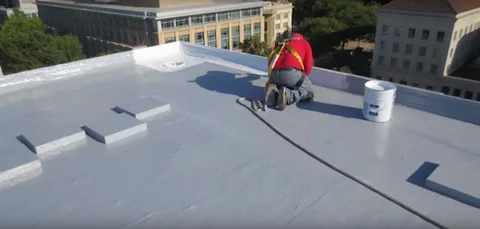
What Does TPO Roof Repair in Hayward, CA Involve?
TPO roof repair in Hayward, CA fixes leaks, seam failures, punctures, and ponding issues on thermoplastic polyolefin membrane roofs. Repairs typically involve cleaning the membrane, patching or re-welding the affected area, and restoring the waterproof seal. Nick’s Roofing Services handles TPO repairs across Hayward and the Bay Area, with more than 20 years of roofing experience behind every job.
If you own a commercial building, flat-roof structure, or modern residential property with a TPO membrane, a small failure can turn into interior damage fast. Here’s what Hayward property owners should know before calling anyone.
What Is a TPO Roof and Why Is It Common in Hayward?
TPO is a single-ply membrane made from thermoplastic polyolefin. It’s white or light-colored, heat-welded at the seams, and widely used on flat and low-slope roofs across the Bay Area.
Why Property Owners Choose TPO
- Reflective surface — light color reduces heat absorption, which helps in Hayward’s warm summers
- Energy efficiency — lower cooling load compared to dark roofing
- Seam strength — heat-welded seams are stronger than adhesive seams when done correctly
- UV resistance — holds up to California sun exposure
- Cost-effective — generally less expensive than some alternative flat-roof systems
Where TPO Fails
TPO is durable, but it isn’t indestructible. The most common problems we see in Hayward are:
- Seam separation from poor welds or thermal movement
- Punctures from foot traffic, tools, or dropped objects
- Ponding water from blocked drains or poor slope
- Blistering from trapped moisture
- Edge and termination failures at parapet walls and curbs
- UV degradation on older membranes
TPO Roof Repair vs. Replacement: Which Do You Need?
| Condition | Repair Makes Sense | Replacement Makes Sense |
|---|---|---|
| Age | Under 10–15 years with good membrane condition | Near end of service life |
| Damage | Isolated punctures, seam splits, or small tears | Widespread seam failure across the roof |
| Ponding | Localized, fixable with drain clearing | Chronic ponding across large areas |
| Blistering | Small blisters | Widespread moisture trapped in the system |
| Leak history | One or two identified leaks | Repeated leaks in different locations |
| Membrane condition | Flexible, intact | Brittle, cracked, or heavily patched |
A proper inspection settles the question. We assess age, condition, damage, and overall performance before recommending repair or replacement—so you’re not sold a new roof you don’t need.
TPO Roof Repair Pricing: What Affects the Cost?
| Cost Factor | Why It Matters |
|---|---|
| Repair size and scope | Small patches cost far less than large section replacement |
| Roof access | Height, parapets, and equipment on the roof slow the work |
| Ponding and drainage | Clearing drains and correcting slope adds labor |
| Membrane condition | Aged membrane may not accept a clean weld |
| Leak source location | Hidden leaks take longer to trace |
| Number of problem areas | Multiple repairs mean more material and time |
| Warranty requirements | Manufacturer-approved repair methods may affect scope |
We provide free estimates so you know what your specific roof needs before committing. There’s no flat price for TPO repair—the right number depends on what we find on your roof.
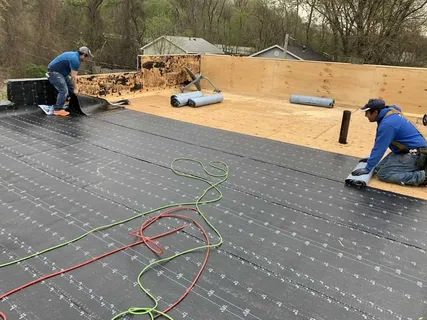
What to Expect During a TPO Roof Repair
Step 1: Inspection and Leak Tracing
We inspect the membrane, seams, edges, drains, and penetrations. If water is getting inside, we trace it back to the source—flat roofs often send water sideways before it shows up indoors.
Step 2: Written Scope and Recommendation
You get a clear explanation of what we found and what we recommend. Repair or replacement, with reasoning behind it.
Step 3: Surface Preparation
TPO repairs only work if the membrane is clean and dry. We clean the repair area thoroughly—adhesive and weld strength depend on it.
Step 4: Patching or Seam Repair
Depending on the damage, we either patch over the area or open and re-weld the failed seam. Proper heat welding creates a bond as strong as the original membrane.
Step 5: Sealing and Testing
We seal edges and terminations, then check the repair. Water testing may be used to confirm the leak is resolved.
Step 6: Cleanup and Walkthrough
We clean the roof area, haul away debris, and walk the repair with you so you know exactly what was done.
Practical Tips Before You Repair Your TPO Roof
Catch Problems Early
A small puncture patched in spring costs far less than a saturated roof deck repaired in winter. Inspect the membrane after storms and check for lifted seams.
Keep Drains Clear
Most ponding issues in Hayward trace back to blocked drains and scuppers. A few minutes of maintenance prevents standing water that stresses seams.
Watch for Interior Warning Signs
- Water stains on ceiling tiles or drywall
- Damp insulation in the attic or plenum
- Musty odors in the building
- Visible sagging on the roof surface
If you see these, get an inspection before the next rain.
Don’t Walk the Roof Casually
TPO is durable, but foot traffic in hot weather and sharp tools cause punctures. Limit roof access to people who know what they’re doing.
Ask About the Repair Method
Ask whether the repair will be heat-welded or adhesive-based. Welded repairs generally perform better on TPO, but the right method depends on the membrane and conditions.
Plan Around the Weather
TPO repairs need dry conditions. Schedule inspections and repairs in dry weather when possible—especially for larger section work.
Why Choose Nick’s Roofing Services for TPO Repair?
20+ Years of Experience
Owner Nicandrio Gallo—known as Nick—has built the business on more than two decades of roofing work in Hayward and the surrounding Bay Area.
TPO and Flat Roof Expertise
We work with TPO, PVC, and protective coatings for commercial and flat-roof properties. We’ve completed commercial roof coating projects in Hayward and Jackson Triangle, and we know how flat-roof systems behave in Bay Area weather.
Honest Recommendations
We tell you when a repair is enough and when replacement makes more sense. The goal is protecting your building, not maximizing the invoice.
Licensed, Insured, and Warranty-Backed
Credentials are in place, and the work is backed. That matters on commercial properties where liability and documentation are part of the job.
Local and Family-Owned
This is a local company serving local property owners. You’re working with people who know Hayward’s building stock and weather patterns.
Frequently Asked Questions
How long does a TPO roof last?
TPO membranes typically last 15–20 years depending on material quality, installation, maintenance, and sun exposure. Regular inspections and prompt repairs extend service life.
Can you repair a TPO roof in the rain?
No. TPO repairs require a clean, dry surface for welding or adhesion. Wet conditions prevent a proper bond. We schedule repairs for dry weather.
How do I know if my TPO roof is leaking?
Look for water stains on ceilings, damp insulation, musty odors, or visible seam separation on the roof. A professional inspection confirms the source—flat roofs often move water laterally before it appears indoors.
Do you repair TPO roofs on commercial buildings?
Yes. We handle both residential and commercial roofing, including TPO and PVC systems, protective coatings, and storm damage services.
Do you offer free estimates?
Yes. Free estimates help you understand your roof’s condition and the recommended solution before you commit to anything.
Ready to Fix Your TPO Roof?
Whether you’re dealing with a leak, a failed seam, or ponding water, Nick’s Roofing Services can inspect, repair, and protect your TPO roof.
Call +1 (510) 815-4451 for a free estimate. We’re available 24/7 to answer questions and schedule your inspection. Prefer to reach out online? Visit nicksroofingservices.com to request your free estimate in just a few clicks.