
Horse barn metal roofing Walnut Creek, CA is a custom-quoted project, not a flat-rate purchase. The key benefit is long-term performance: a properly installed metal roof resists rot, handles Walnut Creek’s hot summers, and can last decades with minimal upkeep—making it a smarter investment than repeated wood or shingle repairs. Nick’s Roofing Services brings 20+ years of Bay Area roofing experience to metal roof installation and repair, serving Walnut Creek and surrounding Contra Costa County communities.
If you board horses, train, or keep a barn on your Walnut Creek property, you already know the roof takes a beating. Sun exposure, winter rain, dust, and the occasional storm all work against it. Metal roofing solves most of those problems—but only if it is specified and installed correctly for an agricultural building. This guide walks you through what matters, what affects your quote, and how to avoid expensive mistakes.
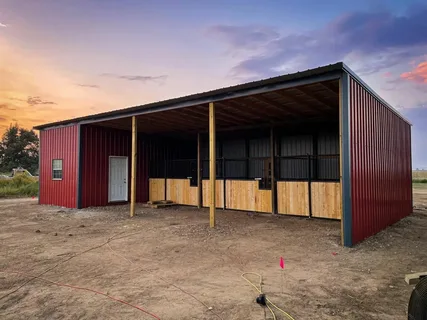
Why Choose Metal Roofing for a Horse Barn in Walnut Creek?
Metal roofing suits horse barns for three practical reasons: fire resistance, moisture control, and low maintenance.
Wood and shingle roofs degrade faster in agricultural settings. Ammonia from stalls, dust, and constant moisture accelerate rot. A metal roof sheds water cleanly and does not absorb odors or moisture the way wood does. It is also non-combustible, which matters for barn insurance and safety.
Walnut Creek’s climate adds another factor. Summers are hot and dry, and UV exposure breaks down asphalt shingles over time. Metal reflects heat better and holds its finish under California sun. For a barn that houses animals, keeping interior temperatures manageable is not just comfort—it is animal welfare.
Horse Barn Metal Roofing Rates in Walnut Creek: What Affects Your Quote?
Every barn metal roofing project is custom-quoted. Barn size, roof pitch, panel type, and site access all change the price. There is no responsible way to quote a barn roof without seeing the structure.
| Factor | Why It Changes Your Quote |
|---|---|
| Barn size and roof area | Larger roofs need more material and labor; a simple gable is cheaper than a complex roofline |
| Panel profile | Exposed-fastener corrugated panels cost less than standing seam; standing seam hides fasteners and performs better long-term |
| Roof pitch and height | Steep pitches and tall barns require more safety setup and slower installation |
| Existing roof removal | Tearing off old shingles or rusted panels adds disposal and labor costs |
| Structural condition | If purlins or framing need repair before the metal goes on, that is additional scope |
| Access and staging | A barn set far from the driveway or surrounded by trees creates logistical challenges |
| Trim and flashing | Ridge caps, gable trim, and penetrations for vents or cupolas add material and detail work |
What to Expect: How a Barn Metal Roofing Project Works
Here is how a professional barn roofing job should run, from first inspection to final cleanup.
1. On-site inspection and measurements. A roofer examines the existing roof, the framing underneath, and the barn’s ventilation. Photos and measurements inform the quote.
2. Material and profile selection. You choose between exposed-fastener panels and standing seam. For a horse barn, the decision often comes down to budget versus long-term performance. Ask about coating warranties and gauge thickness.
3. Preparation and tear-off. Old roofing is removed and disposed of. The deck or purlins are inspected for rot or damage. Any structural repairs happen before new material goes on.
4. Installation with proper flashing. Metal panels are installed with correct overlap, fasteners, and trim. Ridge caps, gable ends, and any penetrations are sealed properly. Poor flashing is where most roof leaks begin.
5. Final inspection and cleanup. The crew checks fasteners, trim, and drainage. Debris and old materials are hauled away. You should receive a walkthrough and warranty documentation.
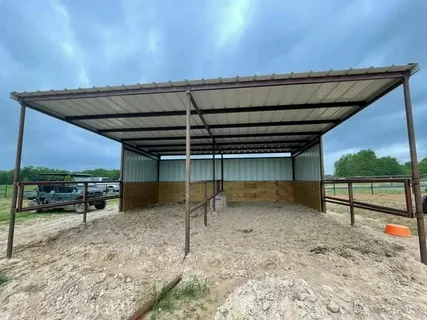
Practical Tips Before You Book Barn Metal Roofing in Walnut Creek
Check ventilation before you re-roof. Horse barns need airflow. A new metal roof is the right time to address ridge vents, cupolas, or eave ventilation. Trapping moisture under a tight metal roof creates condensation problems.
Ask about fastener type and warranty. Exposed-fastener panels rely on washered screws. Cheap fasteners fail; quality ones last. Ask what is being used and what warranty covers them.
Consider standing seam if the budget allows. Standing seam costs more upfront but eliminates exposed fasteners—the most common failure point on metal roofs. For a long-term barn, it often pays back.
Confirm the roofer’s experience with agricultural buildings. A residential roofer who mostly does shingles may not understand barn ventilation, animal safety during installation, or agricultural structural loads. Ask directly.
Plan around your horses. Installation is noisy and involves equipment. Coordinate with your roofer about scheduling so horses can be moved or secured safely during work hours.
Why Choose Nick’s Roofing Services for Your Walnut Creek Barn?
Nick’s Roofing Services is a family-owned company serving Hayward and the surrounding Bay Area, including Walnut Creek and Contra Costa County. A few things matter for a barn project.
- 20+ years of roofing experience. Owner Nicandrio “Nick” Gallo has built the business on quality workmanship and honest service.
- Metal roofing is a listed service. The company installs metal roofing alongside shingle, tile, and commercial systems, and has completed metal roof projects in the East Bay.
- Free estimates and flexible financing. You can understand the scope and cost before committing, with financing options if needed.
- Licensed, insured, and warranty-backed. For a structure as important as a barn, documentation and accountability matter.
If your barn roof is leaking, rusting, or simply aging out, an honest inspection tells you whether a repair buys time or replacement is the better move.
Frequently Asked Questions
How long does a metal roof last on a horse barn?
A quality metal roof with proper installation and coating can last 30 to 50 years or more. Lifespan depends on panel gauge, coating quality, fastener type, and local conditions. Standing seam generally outperforms exposed-fastener systems over time.
Can you install metal roofing over an existing barn roof?
Sometimes, but it depends on the structure. Installing over old shingles or panels adds weight and can hide underlying problems. Most reputable roofers will inspect the deck and framing before recommending an overlay versus a tear-off. For barns, tear-off is often the safer choice.
Do I need to move my horses during roof installation?
Plan to keep horses out of the immediate work area. Noise, falling debris, and equipment movement create hazards. Discuss scheduling with your roofer so you can arrange turnout or temporary stabling during installation hours.
How much does horse barn metal roofing cost in Walnut Creek?
There is no fixed rate. Cost depends on barn size, roof complexity, panel choice, tear-off, and structural repairs. Request a free estimate with your barn’s dimensions and photos for an accurate quote.
Does Nick’s Roofing serve Walnut Creek?
Yes. Nick’s Roofing Services serves Hayward and surrounding Bay Area communities, including Walnut Creek and Contra Costa County. Contact them to confirm service availability for your property.
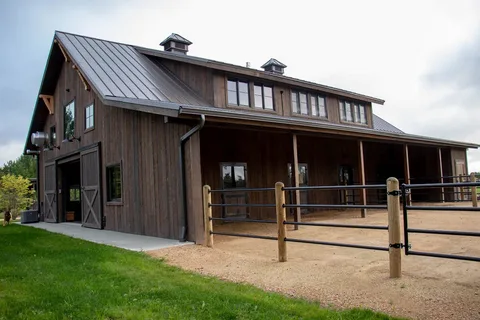
Get a Free Barn Metal Roofing Estimate in Walnut Creek
Your barn protects your horses and your investment. The roof is the first line of defense against rain, heat, and time. Whether you need a full metal roof installation or a repair to get you through another season, the right roofer makes the difference.
Call Nick’s Roofing Services at +1 (510) 815-4451 for a free estimate on horse barn metal roofing in Walnut Creek, or request a quote online. The team serves the Bay Area with honest pricing, quality workmanship, and warranty-backed installation. 24/7 service available—reach out whenever it works for you.